F'innews: Full Circle
March 19th: Seattle Meetup Coming Soon, From SEO to GEO, Research on Research (~3 minute read)

A Year of F’innews!
This is our 12th edition, and F'innews just hit the one-year mark. So far, we've covered everything from AI gender gaps to dating algorithms, synthetic data reality checks to bipartisan climate action. Thanks for reading, sharing with your network and being part of this with us! Onwards!

Hey there Seattle!

We’re taking our meetups on the road and landing in your city March 25th.
We’ve been hosting research meet-ups in NYC and San Francisco, and now it’s time for our first Seattle gathering. Expect casual conversation, a chance to meet researchers like yourself and leaders across the space. Flying solo? Perfect. We’re a friendly bunch.
We’ll be thinking through what we want this community to become together, and mostly just enjoying being in the same room with a casual drink.
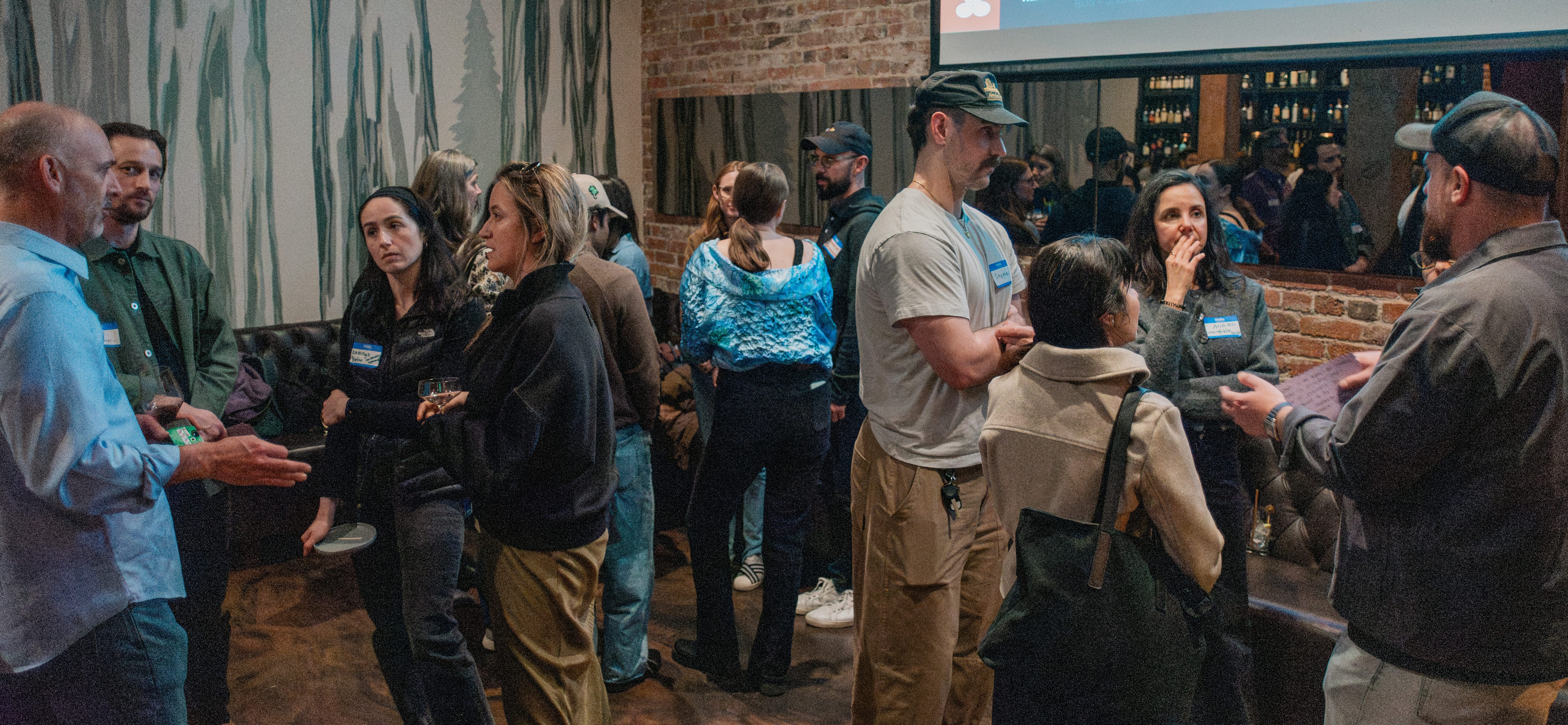
If you’d like to RSVP, click here.
Note: if you’re having trouble with a link, try opening this newsletter in your browser
Research on Research: What We Learned About Data Quality
We’ve always invested in research on research. In Q4 2025, we co-funded a project focused on Respondents’ Experience when taking Quant Surveys. What we didn’t realize initially was how much we’d learn about improving data quality.
While the research world (and F’inn) continue to experiment with synthetic data and digital twins, there’s increased effort made to identify AI bots and clean ‘human’ data. F’inn already goes above and beyond industry standard by cleaning out 30% of respondents which we identify as bots, fraudulent, or inconsistent / inattentive.
Via analysis of our cleaned data, we found some good news; Most respondents (83%) are engaged, reading materials attentively, and putting effort into completing the survey. We’re not throwing everything related to quant data into question.
Despite this positive finding, we also learned how frustrated and devalued participants feel, and concrete ways to increase engagement and elevate data quality.

Our top 5 insights:
Survey fatigue causes frustration, inattentiveness and dropout
Demographics as term points imply bias
There is a concept length sweet spot to aim for
While payout is the top motivator for respondents, being heard & sharing opinions is a close second
People are not yet comfortable with AI-led surveys
Click here to read about the actions we’re taking to implement these findings or reach out to us on LinkedIn to hear more!

SEO Out, GEO In
Marketers beware! How people shop is suddenly changing as AI chatbots are disrupting the shopping journey. Traffic from generative AI sources to U.S. retail sites increased by a modest 4,700% year-over-year in July 2025. ChatGPT alone already drives over 20% of referral traffic to Walmart and Etsy and nearly 15% to Target.
When shoppers ask AI agents for product recommendations, they never see a marketer’s carefully crafted headlines, emotional appeals, hero images, or conversion-optimized landing pages. AI agents don’t have pain points. They don’t feel urgency. They don’t care about your social proof. They’re just parsing your website for structured data, extracting specifications, and comparing your product to competitors based only on objective attributes. Marketers' work is invisible to the AI's underlying model.

We’re very quickly shifting from SEO to what’s being called Generative Experience Optimization (GEO), which is changing how brands interact with consumers and achieve visibility. IDC forecasts companies will spend up to five times more on LLM optimization than traditional SEO by 2029!
Why do you need to optimize for LLMs? AI agents pull their info from many sources including affiliates and user-generated content - your own website may be just one of many sources that AI-search references. That means you can have the most-perfectly-crafted product page, but if Reddit threads and YouTube reviews contain better-structured information, the AI may cite them instead of you. Marketing in the new AI-shopping world requires giving up on keyword-stuffed copy in favor of comprehensive, machine-readable product attributes. Sounds sexy, right? It means optimizing customer reviews for the patterns LLMs extract. If your catalog data isn't LLM-ready, even strong products will be overlooked.
The brands investing in this change today are building a huge advantage, while everyone else is becoming invisible. Are you ready for the transition to GEO? F’inn can help you prepare for the future by deeply understanding how your consumers shop via AI.